TP-Link Manuals
Manuals
Categories


TP-Link Manuals
Overview
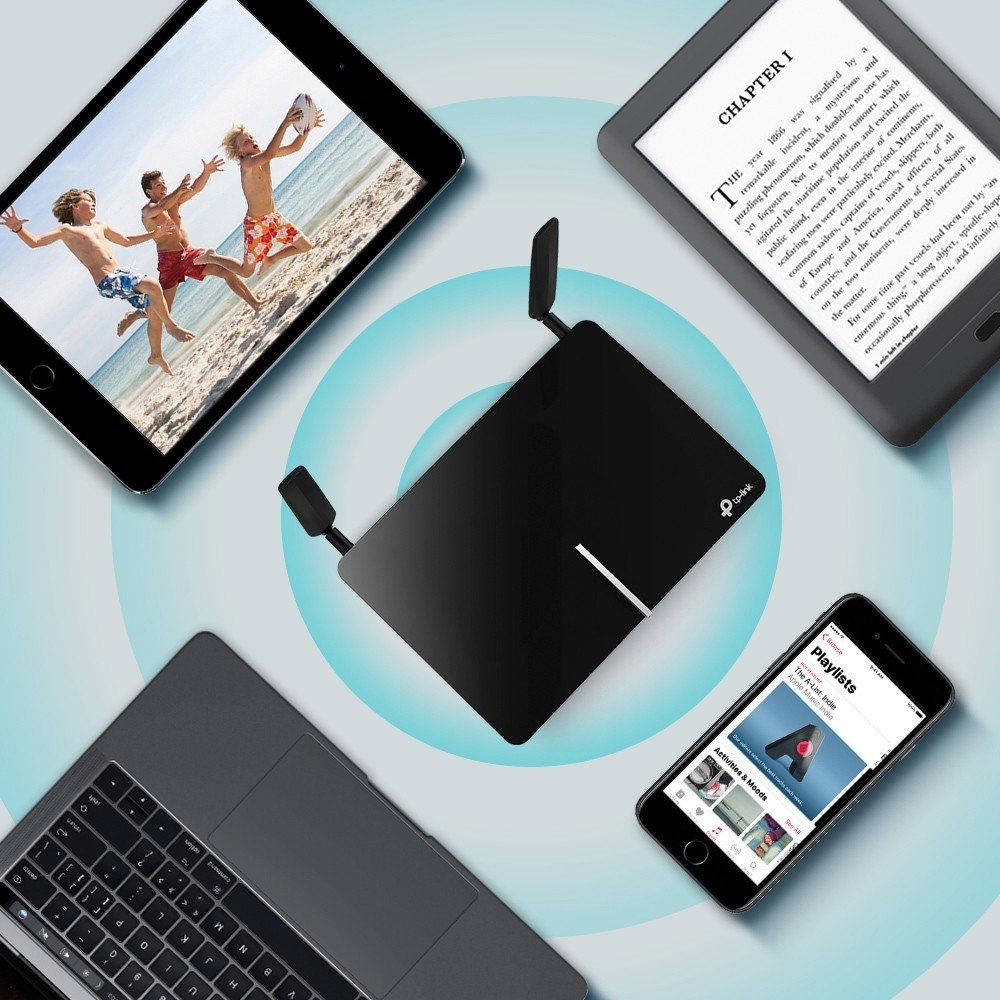
TP-Link Manuals are comprehensive guides that accompany TP-Link networking devices, including routers, access points, mesh systems, switches, and range extenders. These manuals are designed to help both novice and advanced users understand, configure, and troubleshoot TP-Link hardware. They provide detailed step-by-step instructions, diagrams, and explanations of features so that users can optimize their networks, secure their devices, and maintain reliable connectivity. The manuals are typically available in multiple formats, including PDF downloads on the official TP-Link website and embedded help sections within TP-Link’s app ecosystems. Access to accurate manuals is essential for ensuring device longevity, maximizing performance, and resolving common issues efficiently.
Contents and Structure
Quick Start Guides
Many TP-Link manuals begin with quick start guides that walk users through the essential steps for getting a device up and running. These guides usually cover unpacking the device, identifying ports and LEDs, connecting to power, and initial configuration steps such as connecting to the router, accessing the management interface, and applying first-time setup settings. The quick start sections are designed to minimize setup time and reduce common setup errors.
Hardware Specifications
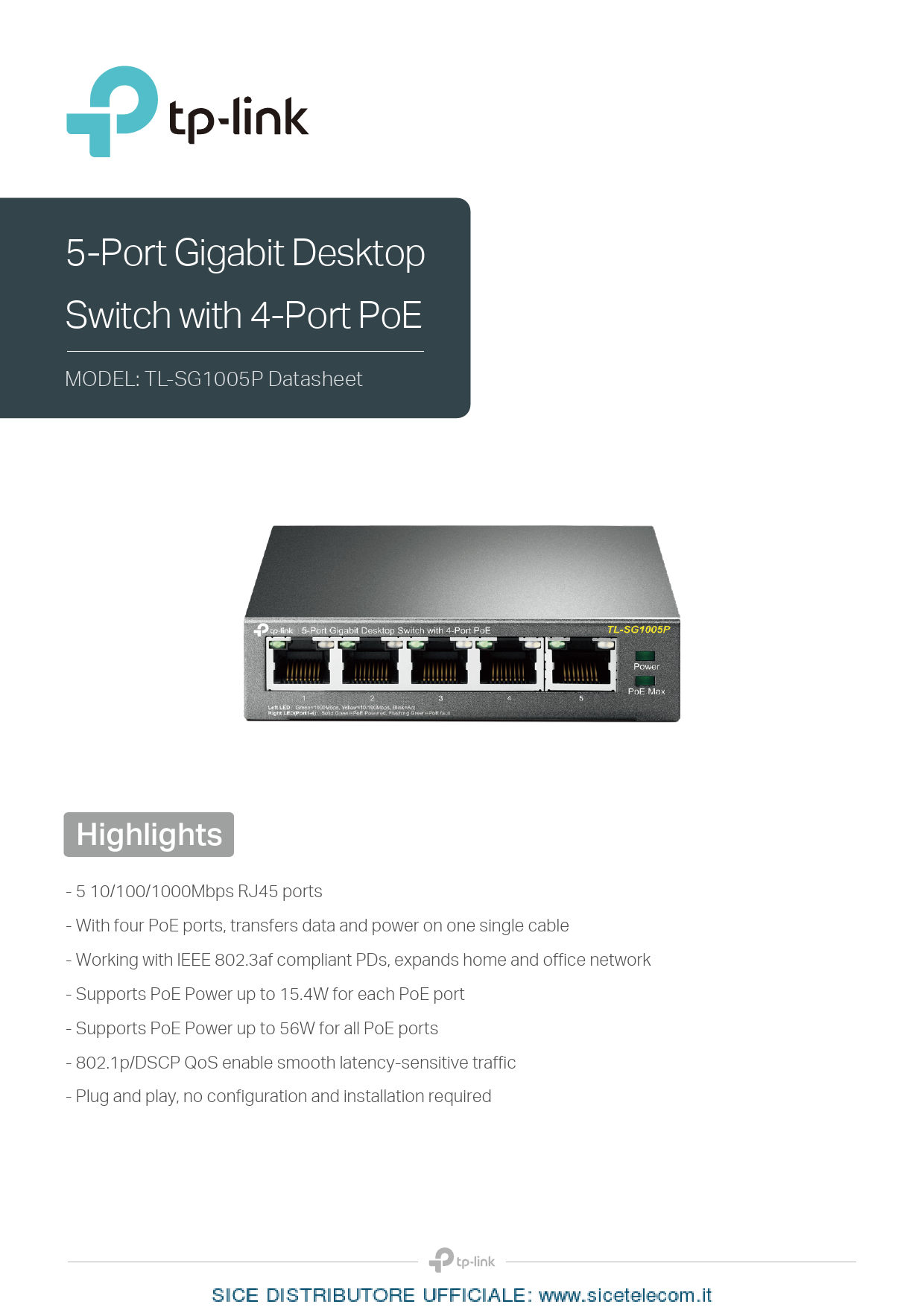
Manufacturers provide detailed hardware specifications in the manuals, including the device model, processor type, RAM size, wireless standards (such as IEEE 802.11ac/n/a/b/g/ax), frequency bands, channel bandwidth, transmit power, WAN/LAN port counts, USB ports, and supported security features. These details help users understand the capabilities and limits of their devices, plan network topology, and troubleshoot performance issues.
Setup and Configuration
The setup and configuration sections offer in-depth instructions for configuring routers, access points, and other devices. This includes:
- Initial device setup and login procedures
- Wireless network configuration (SSID, security mode, password, guest networks)
- Internet connection types (DHCP, PPPoE, Static IP, IPv6)
- Network segmentation features (VLANs, guest networks, parental controls)
- QoS (Quality of Service) settings to prioritize traffic
- WAN/LAN settings, LAN DHCP server configuration, and static routes
- Firmware update processes and the importance of keeping devices current
Detailed step-by-step screenshots and annotated diagrams are commonly included to guide users through each task.
Wireless Settings and Optimization
TP-Link manuals provide guidance on optimizing wireless performance, including:
- Choosing appropriate wireless standards (2.4 GHz vs 5 GHz, dual-band/tri-band capabilities)
- Channel selection and interference mitigation
- Security configurations (WPA2/WPA3, AES encryption, wireless isolation)
- Guest network setup and bandwidth control
- Mesh networking configurations for seamless roaming in larger spaces
- MAC address filtering and filtering rules to enhance security
This content helps users tailor their network to home or small office environments while balancing performance and security.
Advanced Features
For more experienced users, manuals describe advanced features such as:
- VPN pass-through and site-to-site VPN configuration
- Dynamic DNS and cloud-based management options
- VLAN configuration for segmentation and QoS
- IPTV and game mode configurations to optimize specific traffic
- IPTV multicast settings and IGMP snooping
- Port forwarding, DMZ, and static NAT rules
- IPv6 configuration and transitions
These sections enable sophisticated network setups and integration with other devices and services.
Security and Privacy
TP-Link emphasizes security in its manuals by detailing:
- Initial secure setup practices (changing default credentials, disabling remote management)
- Software and firmware update recommendations
- Firewall rules and content filtering
- Guest network isolation and access controls
- WPA3 recommendations and compatibility considerations
- General best practices for securing home and office networks
The goal is to help users minimize exposure to common attack vectors and maintain a robust security posture.
Troubleshooting and Diagnostics
Troubleshooting sections provide practical guidance to diagnose and fix problems. Common topics include:
- LED indicator meanings and what to do for different statuses
- Internet connectivity issues (DNS, DHCP, PPPoE issues)
- Performance symptoms like slow Wi-Fi, intermittent connections, or dropped packets
- Rebooting, factory reset considerations, and backup/restore of configurations
- Use of built-in diagnostic tools (ping, traceroute, speed tests, signal strength indicators)
- How to interpret logs and error codes
The troubleshooting content is especially valuable for quick resolution without external support.
Mobile App and Cloud Management
Many TP-Link devices integrate with mobile apps (such as Tether, Deco app, or Omada app) and cloud services. Manuals describe:
- How to download and install the app
- How to add devices, manage firmware updates, and monitor network status
- Remote access features and security implications
- Parental controls and user management via the app
- Backup and restoration of configurations through cloud services
These sections help users leverage convenient mobile and cloud-based management for ongoing network maintenance.
Compliance and Support
Manuals also cover regulatory compliance, warranty information, and how to obtain support. They may include:
- Regulatory markings (FCC, CE, RoHS) and regional differences
- Warranty terms and eligibility
- How to contact TP-Link support and access community resources
- Product end-of-life notices and replacement recommendations
Keeping these details in mind helps users understand procurement considerations and access assistance when needed.
Model-Specific Considerations
TP-Link offers a wide range of devices, and manuals are tailored to specific models and product families. When consulting a manual, users should ensure they reference the correct model number and hardware revision. Model-specific sections may address:
- Hardware features unique to that model, such as number of ports, USB capabilities, or mesh compatibility
- Firmware interface layouts which can differ between generations
- Special setup steps for mesh systems versus standalone routers
- Supported features and limitations that are unique to certain series
This model-centric approach ensures guidance aligns with the actual device in use and avoids confusion from generic instructions.
Accessibility and Formats
TP-Link manuals are typically available in multiple formats to accommodate different user preferences:
- PDF documents that can be downloaded and printed
- Online HTML manuals with search functionality and embedded images
- In-app help sections that provide context-sensitive guidance
- Video tutorials and quick start guides for visual learners
Having access to multiple formats helps users learn and implement configurations more effectively, regardless of their preferred learning style.
Practical Tips for Using TP-Link Manuals
- Always verify you are referencing the exact model and hardware version
- Start with the Quick Start Guide for a smooth first setup
- Use the troubleshooting section before seeking external help
- Keep firmware up to date to access new features and security improvements
- Back up configurations after successful setup to simplify recovery
- Enable secure remote management only if necessary and secure it properly
Following these practices can enhance the experience and reduce common frustration during network deployment and maintenance.
Conclusion
TP-Link Manuals serve as a foundational resource for users seeking to deploy, optimize, and secure TP-Link networking equipment. By covering setup, configuration, optimization, security, troubleshooting, and advanced features, these manuals empower users to build reliable networks tailored to home and small business environments. Whether you are installing a new router, expanding with a mesh system, or configuring intricate VLANs and QoS rules, the manuals provide structured guidance, support, and reference material to help you achieve your networking goals efficiently.
Search for 1 Mio. Manuals online


Type-in Brand or Model